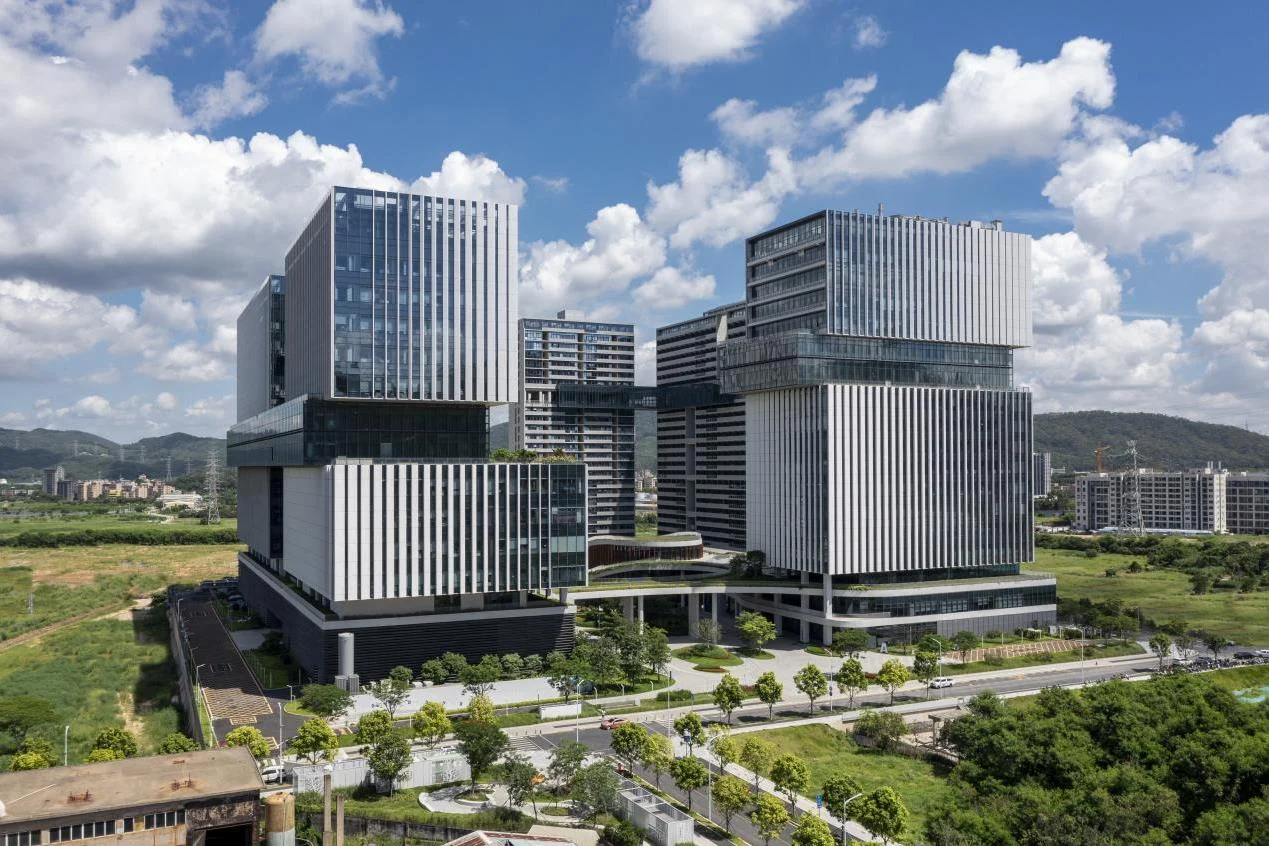
Shenzhen Synthetic Biology Research Infrastructure in Guangming Science City

International residency · Shenzhen

Syn-Life Arts Residency

Artists and researchers work with living systems inside Cross-Media Lab and Shenzhen's synthetic biology research environment.

Shenzhen Synthetic Biology Research Infrastructure · Guangming Science City

Project-based duration

Shenzhen, China

Lab immersion

Expressions of interest open

Cross-Media Lab · Institute of Synthetic Biology (iSynBio) · Guangming Science City

What is Syn-Life Arts

When designed life enters a shared world.

Syn-Life Arts begins where engineered life becomes more than a subject or material. Living systems participate in the work, respond to human arrangements, and may change what the work becomes. Their public encounter, care, and consequences remain part of the artistic form.

Why now?

Gene editing, directed evolution, molecular machines, biofoundries, and AI-assisted biology are moving life into engineering, computation, and manufacturing. Syn-Life Arts brings those choices into public experience before their cultural meanings and responsibilities become settled.

Does living activity have a real causal role in the work?
How might designed life respond beyond the artist's intention?
How can invisible biological change become a public experience?
What responsibilities emerge through care, scale-up, and termination?

Residency community

Built across cultures and disciplines.

The 2026 community brings artists, curators, researchers, and technologists into a shared working environment. Their practices offer different ways of observing life, building systems, and approaching public responsibility.

9
residents
3
visiting curators / scholars
Meet the community

Across practices

Biological arts · Curatorial practice · Living materials · Media art · Creative technology · Ecological research

Within the residency

Lab visits · Research exchanges · Material tests · Public talks · Studio research

The iSynBio ecosystem

A residency embedded in Shenzhen's synthetic biology research environment.

Cross-Media Lab connects artistic research with the laboratories, automated infrastructure, and biomanufacturing context around iSynBio. Access develops through scientific conversation, feasibility review, and shared responsibility.

Design

genetic and computational research

Build

automated and supervised experimentation

Scale

biomanufacturing and pilot development

Shenzhen Synthetic Biology Infrastructure

An automated, high-throughput environment supporting design, build, test, and learn workflows.

National Bio-manufacturing Innovation Center

A translation context for process development, pilot-scale work, and manufacturing with biology.

Cross-Media Lab

A bridge for artists, scientists, and publics, supporting translation, conversation, and research-led practice.

Explore iSynBio

Residency in practice

Questions take shape through real encounters.

Studio thinking moves into laboratories, research meetings, material tests, and public conversation. These field notes show how artistic questions change when they meet the methods and tempos of living systems.

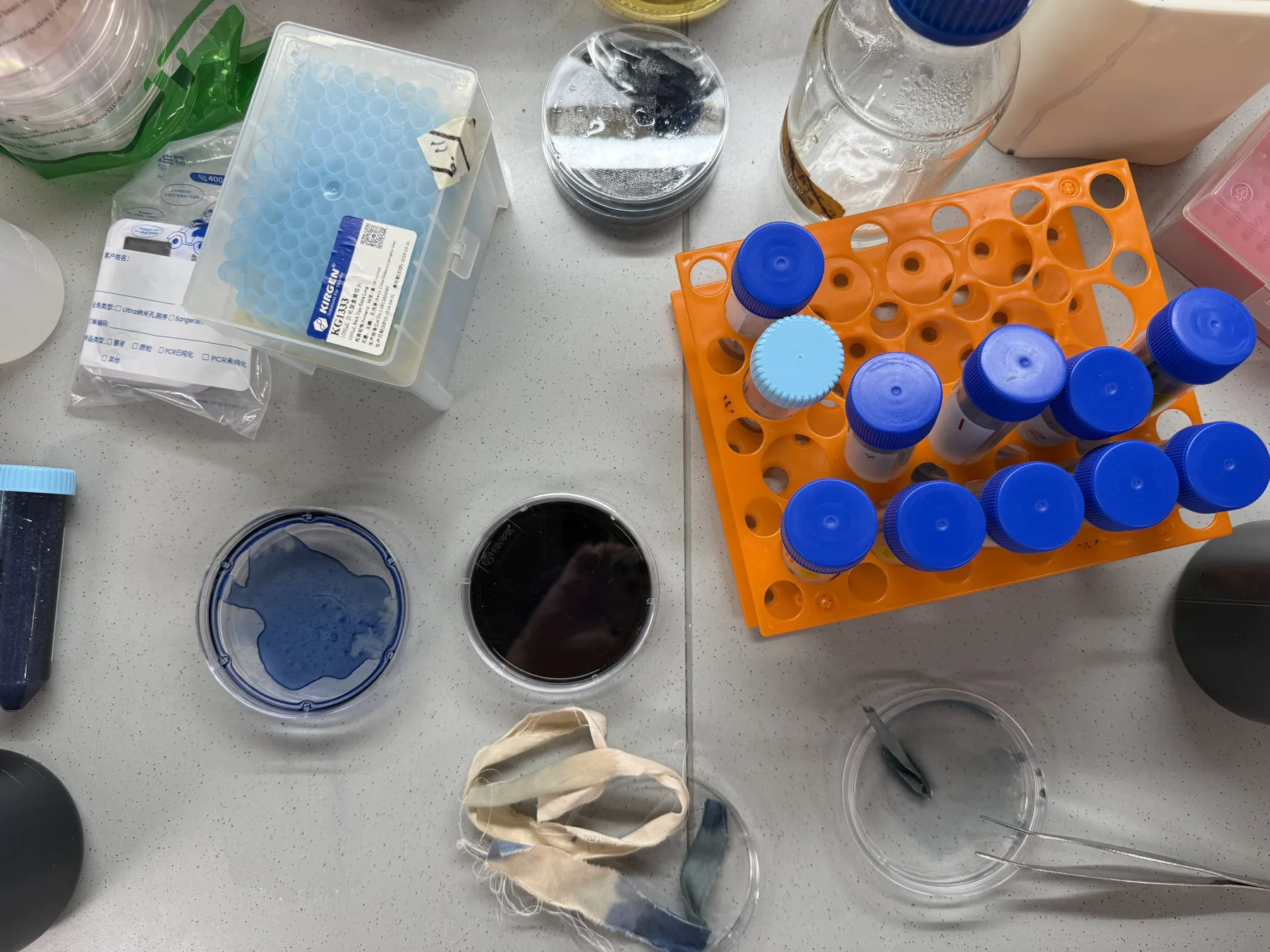
Blue bacterial pigments, culture vessels, and silk test strips arranged on a laboratory work surface

When bacterial colour meets silk.

Lolo Ostia and researchers tested blue bacterial pigments on textile samples, bringing colour, fixation, biological behaviour, and exhibition conditions into one material conversation.

Zhong Chao and Dai Zhuojun research groups
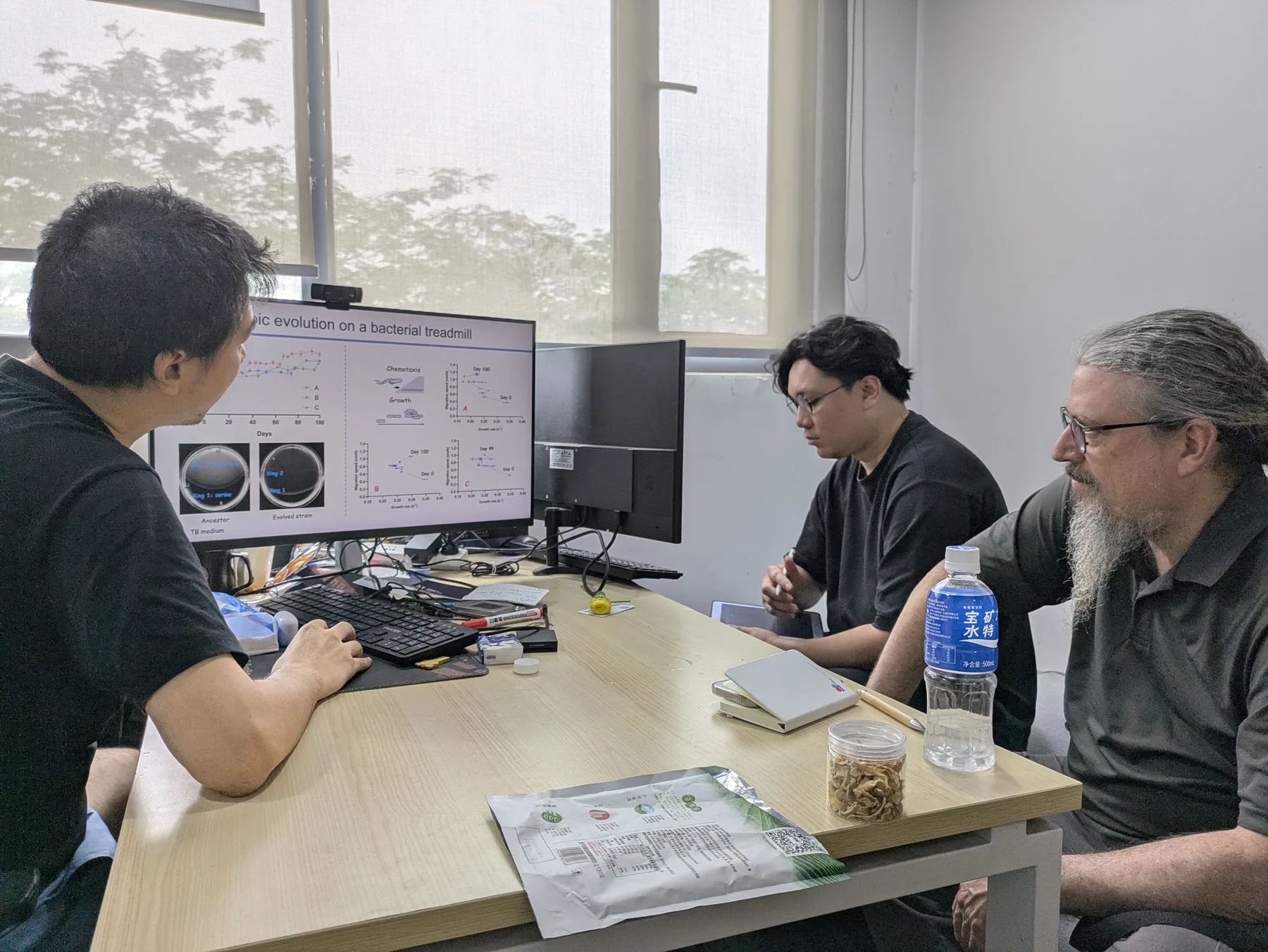
Oron Catts and researchers discussing data from a bacterial evolution experiment

Evolution becomes a subject for shared interpretation.

A discussion around bacterial evolution opened questions about competition, adaptation, experimental time, and the ways a scientific model can be translated into public experience.

Yi Xiao research group
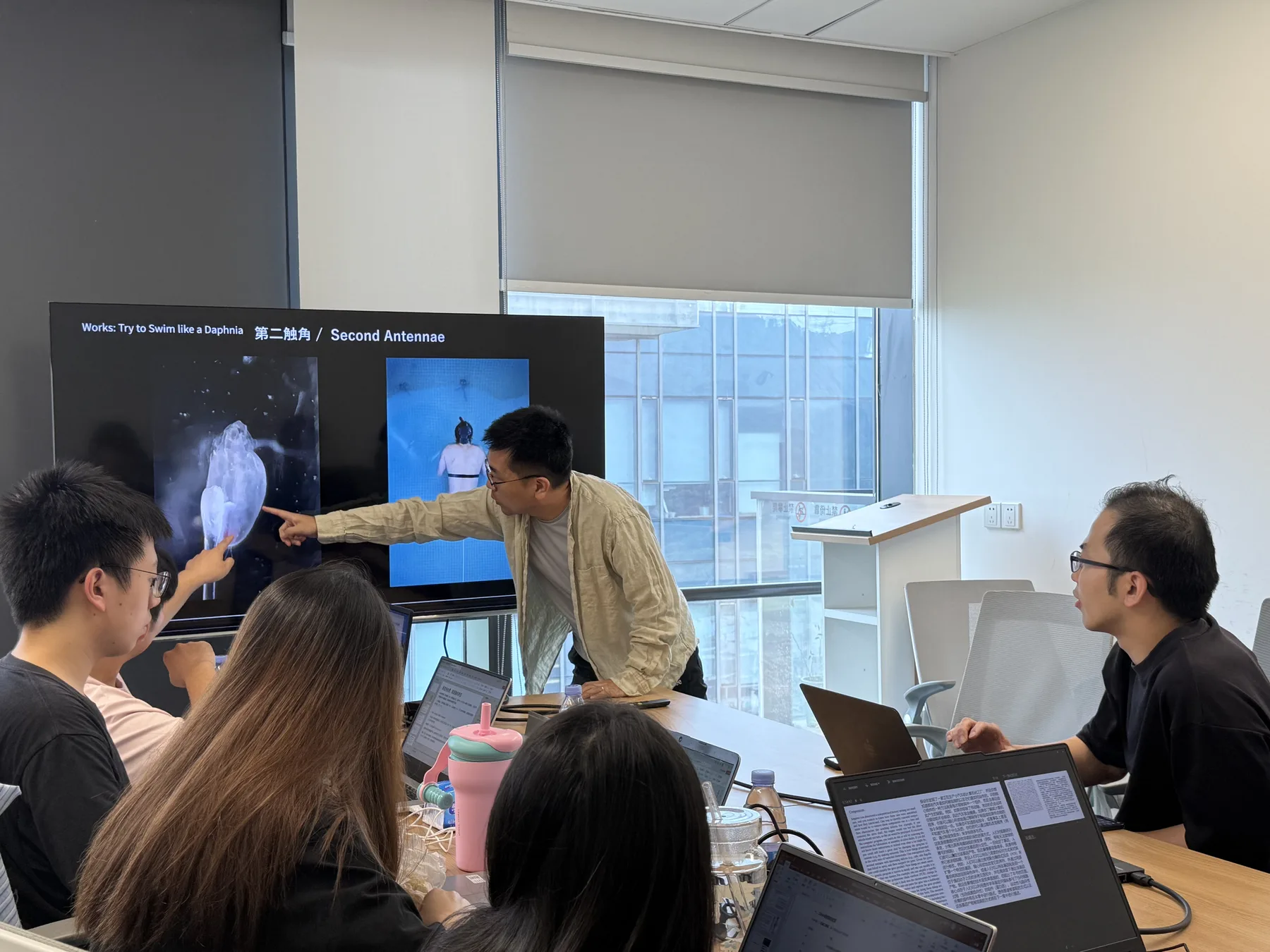
Tomoki Matsumura presenting a daphnia-inspired artwork during a research group meeting

A human body learns from the movement of a daphnia.

Tomoki Matsumura shared a developing work that joins competitive swimming, microscopic life, and embodied research across radically different biological scales.

Bai Yang research group
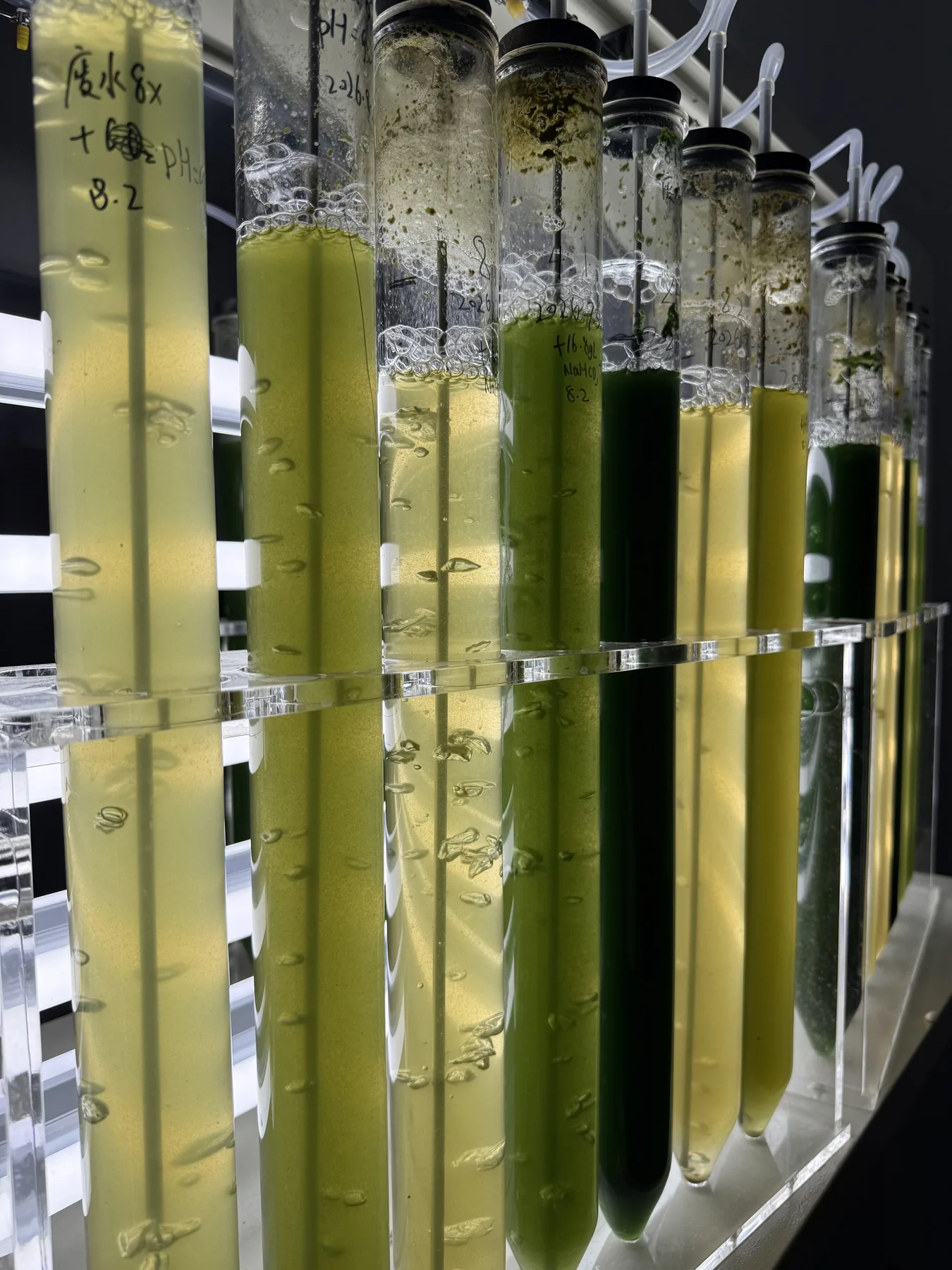
Rows of illuminated tubes containing microalgae cultures in different shades of green

Microalgae reveal many ways of living with change.

A visit to the microalgae research environment introduced the residency community to species that adapt differently to light, nutrients, and shifting environmental conditions.

Qiang Hu research group

From lab conversation to public form.

The residency follows the question rather than a fixed production formula. Each project develops through scientific exchange, artistic research, and practical review.

  1. 01

    Enter a research context

    Meet scientists, visit selected facilities, and learn how a research question is being approached in practice.

  2. 02

    Find the shared question

    Shape an artistic inquiry with the host lab, curatorial team, and the limits of the available materials and methods.

  3. 03

    Develop through residency

    Work through observation, conversation, supervised experiments, prototypes, writing, and studio research.

  4. 04

    Review care and feasibility

    Consider safety, ethics, maintenance, documentation, and what happens to living materials after public presentation.

  5. 05

    Create a public form

    Translate the research into an installation, talk, workshop, publication, prototype, or future exhibition proposal.

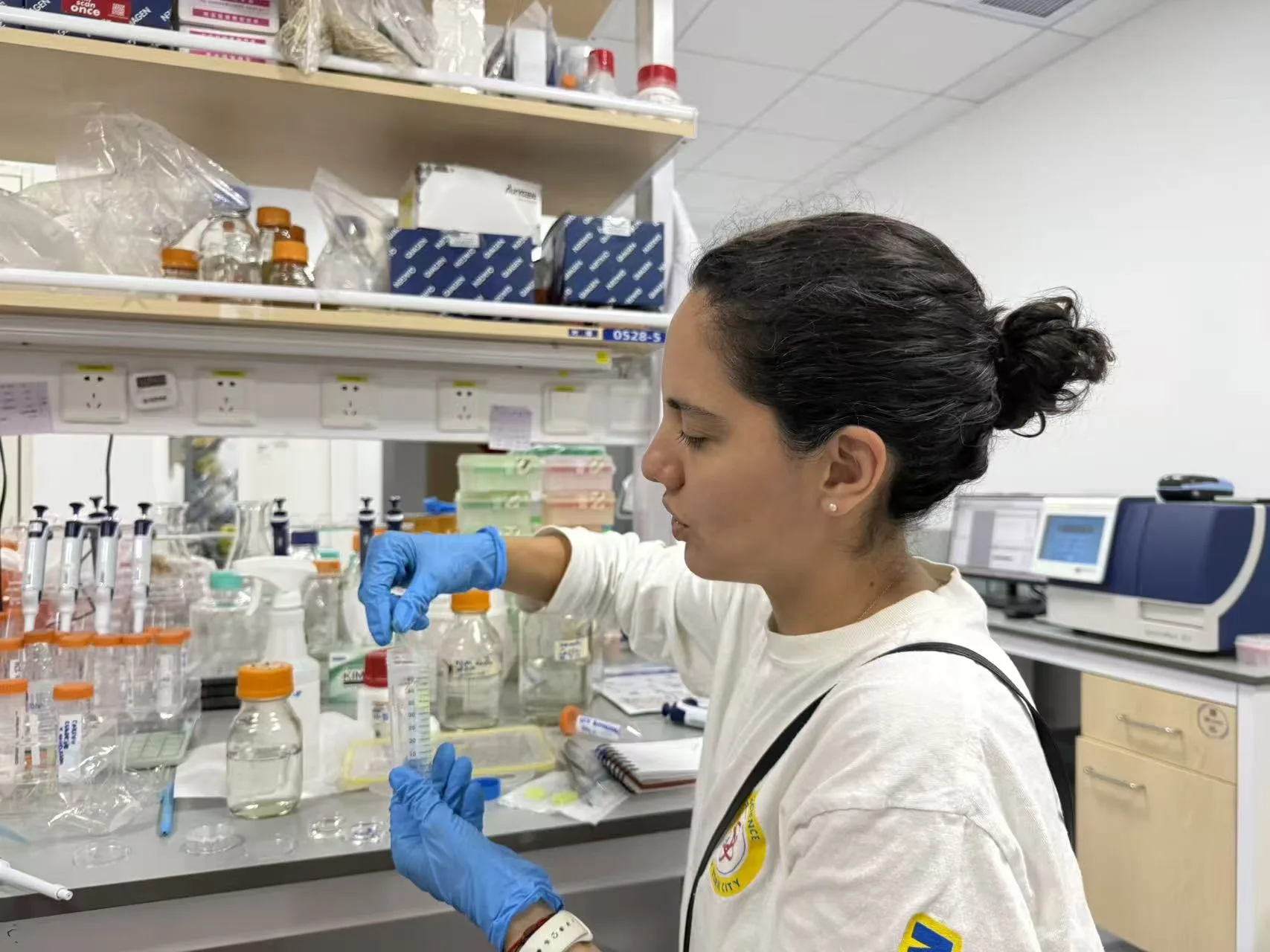
Lolo Ostia carrying out supervised material research in a synthetic biology laboratoryBlue bacterial pigments and silk test strips arranged during a material experiment

Program at a glance

The practical terms begin with the project.

Each residency is scoped through conversation. Dates, access, support, and responsibilities are confirmed after the artistic and scientific context has been reviewed.

Duration

Agreed per residency

The schedule is set after project scope, lab availability, access requirements, and travel planning are reviewed.

Location

Shenzhen, China

Based at Cross-Media Lab within the SIAT and iSynBio research environment in Guangming Science City.

Format

Research residency

Artists work through visits, conversations, supervised access, studio research, and curatorial dialogue.

Application status

Expressions of interest open

The process begins with an expression of interest, followed by a conversation, feasibility review, and lab matching.

Working language

English first

English is the primary public language, with Chinese support available in the local context.

Support policy

Confirmed individually

Funding, accommodation, travel, production, and other support are recorded in each residency agreement.

Expression of interest path

  1. 1

    Explore

    Review the research themes, scientific context, access principles, and residency format.

  2. 2

    Express Interest

    Share your practice, research question, availability, and the support your proposal may require.

  3. 3

    Conversation

    Meet online to discuss the artistic inquiry, working methods, expectations, and constraints.

  4. 4

    Feasibility and Matching

    Review scientific fit, host availability, safety conditions, resources, and possible dates.

  5. 5

    Residency Agreement

    Confirm the schedule, support, access conditions, responsibilities, and expected public exchange.

Research themes

A map for Syn-Life Arts inside synthetic biology.

These themes help applicants connect artistic questions about living causality, emergence, care, and responsibility with possible scientific conversations. They are invitations, not restrictions.

Life from parts

Synthetic Cell

Investigate what changes when cells are not only observed or modified, but built from molecular components.

speculative design installation writing public dialogue

Living factories

Bio-Manufacturing

Explore organisms, enzymes, and automated platforms as material systems for future production.

material studies data visualization film critical design

Matter that grows

Living Materials

Work with the cultural and sensory implications of materials that metabolize, decay, adapt, or self-organize.

sculpture bio-material experiments sound performance

Invisible collaborators

Microbial Systems

Consider microbial communities as ecological, social, and aesthetic actors rather than hidden background life.

field notes microscopy installation workshop

Molecular form

Protein Design

Translate folded structures, molecular machines, and designed proteins into spatial, sonic, or narrative forms.

visualization generative media sound essay

Prediction and imagination

AI for Biology

Question how machine learning changes biological discovery, authorship, and the imagination of living systems.

interactive media AI systems research fiction interface design

Robotic life design

Biofoundry and Automation

Look at laboratories as automated infrastructures where protocols, machines, and organisms co-produce knowledge.

systems mapping robotic performance video protocol art

Making life public

Ethics, Society, and Public Imagination

Develop forms that make responsibility, access, risk, care, and future publics part of the biological conversation.

participatory work debate format publication education

Lab access and safety

Access is a serious creative material.

Syn-Life Arts and synthetic biology require careful boundaries. The program welcomes artistic ambition, but every laboratory condition must be reviewed with scientists and safety staff.

Lab tours, selected demonstrations, and scientific conversations are the default mode of access.
Wet lab work, biological materials, genetic work, organism handling, and sensitive data require approval.
Safety orientation is mandatory before any laboratory activity.
No unsupervised biological work is permitted.
Sensitive proposals may require biosafety, ethics, or feasibility review.

Who should apply

For artists who can stay curious inside uncertainty.

No biology degree is required. The strongest fit is a practice that can learn from scientific methods without reducing science to illustration.

Good fit

  • Research-driven artists, designers, writers, curators, performers, and media artists.
  • Practitioners interested in biology, ecology, biotechnology, ethics, materials, AI, systems, and futures.
  • People who can work patiently with uncertainty, repetition, and the slow rhythms of scientific research.

Not the right fit

  • Projects seeking a fast production commission.
  • Applicants who require unrestricted laboratory access.
  • Purely commercial work without a research or public-dialogue dimension.

What we provide

Every residency is scoped with the people responsible for it.

Dates, funding, accommodation, travel, production support, lab access, and public outcomes are confirmed in writing after feasibility review.

Core Program Context

  • Cross-Media Lab coordination
  • Scientific conversations
  • Curatorial dialogue
  • Campus and safety orientation

Confirmed in the Agreement

  • Residency dates and duration
  • Funding and production support
  • Accommodation and travel arrangements
  • Visa or invitation-letter support
  • Documentation and public-program support

Requires Scientific Approval

  • Laboratory and equipment access
  • Biological materials and organism handling
  • Wet-lab activity
  • Sensitive data, samples, or genetic work

Expression of interest

Begin with the question you want to pursue.

The process starts with your practice and research proposal, then moves through conversation, feasibility, safety, and lab matching.

Steps

  1. 1 Browse research themes and labs Understand the iSynBio ecosystem and identify possible scientific contexts.
  2. 2 Submit expression of interest Share your practice, proposal, availability, and support needs.
  3. 3 Online conversation Discuss artistic intent, constraints, research expectations, and next steps.
  4. 4 Feasibility and lab matching review Confirm safety, mentor availability, timeline, and resource fit.
  5. 5 Cohort visit or orientation Learn the campus, lab culture, and collaboration boundaries.
  6. 6 Residency confirmation Finalize dates, support, public program expectations, and access conditions.

Interest materials

  • Artist statement
  • Portfolio or website
  • CV or short bio
  • Research proposal
  • Preferred research themes
  • Availability
  • Support needs
  • Prior science or lab experience, optional

Selection criteria

  • Artistic quality and originality
  • Relevance to Syn-Life Arts and synthetic biology
  • Strength of research question
  • Feasibility within the agreed residency scope
  • Ability to work respectfully in a lab environment
  • Public dialogue potential
  • Compatibility with available labs and mentors
  • Ethical awareness

Possible outputs

Artist talkOpen studioWorkshopPrototype presentationEssay or field notesOnline documentationExhibition proposalFuture collaboration plan

FAQ

Practical answers before a proposal becomes a plan.

The residency involves scientific spaces, public institutions, and living systems, so boundaries matter as much as possibilities.

Do I need a science background? +

No formal biology degree is required. Strong research motivation, patience with scientific process, and respect for laboratory rules are more important.

Can international artists apply? +

Yes. The program is designed as an international residency. Practical details such as travel, visa timing, and invitation letters are reviewed case by case.

How long is the residency? +

The duration is agreed for each residency after the project scope, lab availability, access requirements, and travel plan have been reviewed.

Is there an application deadline? +

Cross-Media Lab currently accepts expressions of interest. Residency dates are proposed after the initial conversation and confirmed through feasibility and lab matching.

Can collectives apply? +

Collectives may apply when one lead applicant is named and the proposed working format is feasible for the lab, housing, and public program.

Can I work with living materials? +

Possibly, but only after scientific, safety, and feasibility review. Any biological material, organism handling, or wet lab work requires approval and supervision.

Can I choose a specific lab? +

Applicants may indicate preferred research themes or labs. Final matching depends on scientific fit, mentor availability, safety, and project feasibility.

Is the residency fully funded? +

Funding and production support are agreed for each residency. The confirmed arrangement is recorded alongside the schedule, access conditions, and project responsibilities.

Is airfare covered? +

Travel support is confirmed individually as part of the residency agreement. Applicants should describe their travel needs in the expression of interest.

Is food covered? +

Living-cost support is confirmed individually as part of the residency agreement. Applicants should include relevant needs in the initial conversation.

Is there visa or invitation letter support? +

Invitation letter support can be considered after selection and residency confirmation. The program cannot guarantee visa outcomes.

Is a final artwork required? +

Valid outcomes include research, prototypes, public talks, workshops, essays, documentation, and exhibition proposals. The agreed outcome follows the needs of the project.

Who owns the resulting artwork or IP? +

Artwork ownership and intellectual property questions are discussed case by case before the residency begins, especially when scientific data or lab resources are involved.

What safety restrictions apply? +

No unsupervised biological work is allowed. Safety orientation is mandatory, and sensitive proposals may require biosafety or ethics review.
Contact and residency

Enter the shared world of designed life.

Send an expression of interest, browse the iSynBio labs, or begin a conversation with Cross-Media Lab about an artistic research question.

Program team

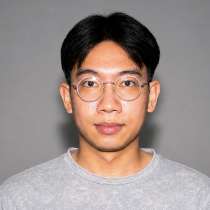
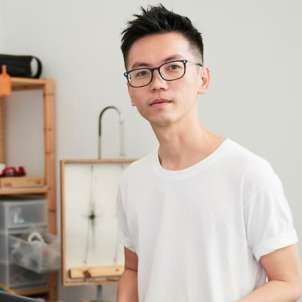
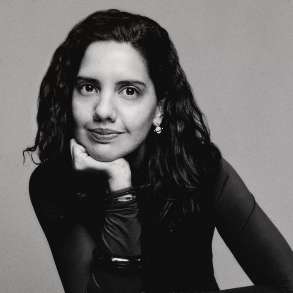
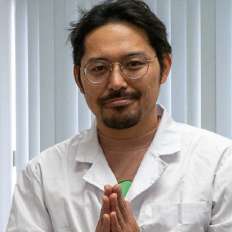
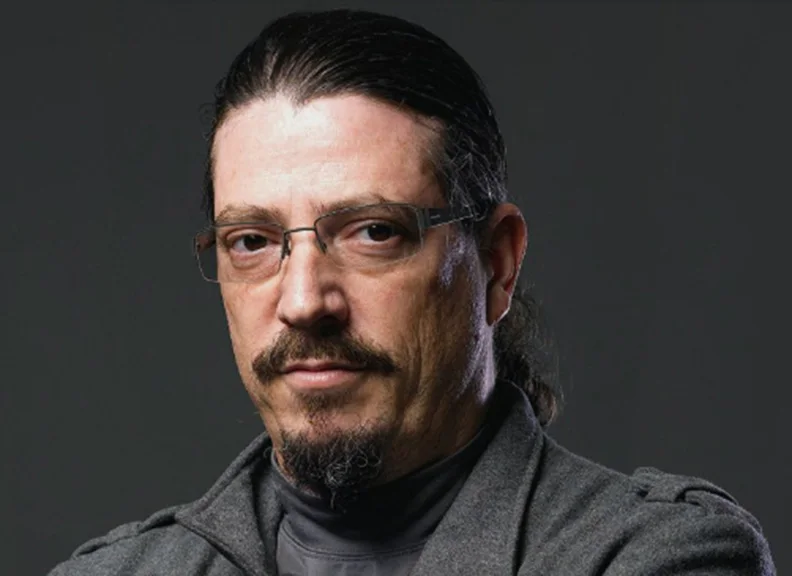
Chenli Liu

Honorary Director

Zhijie Qiu

Honorary Director

Xiao Yi

Executive Director, Bio

Baoyang Chen

Executive Director, Art

Fangxinzi Chen

Creative Manager